How to Stop Condensation on Basement Walls During Winter
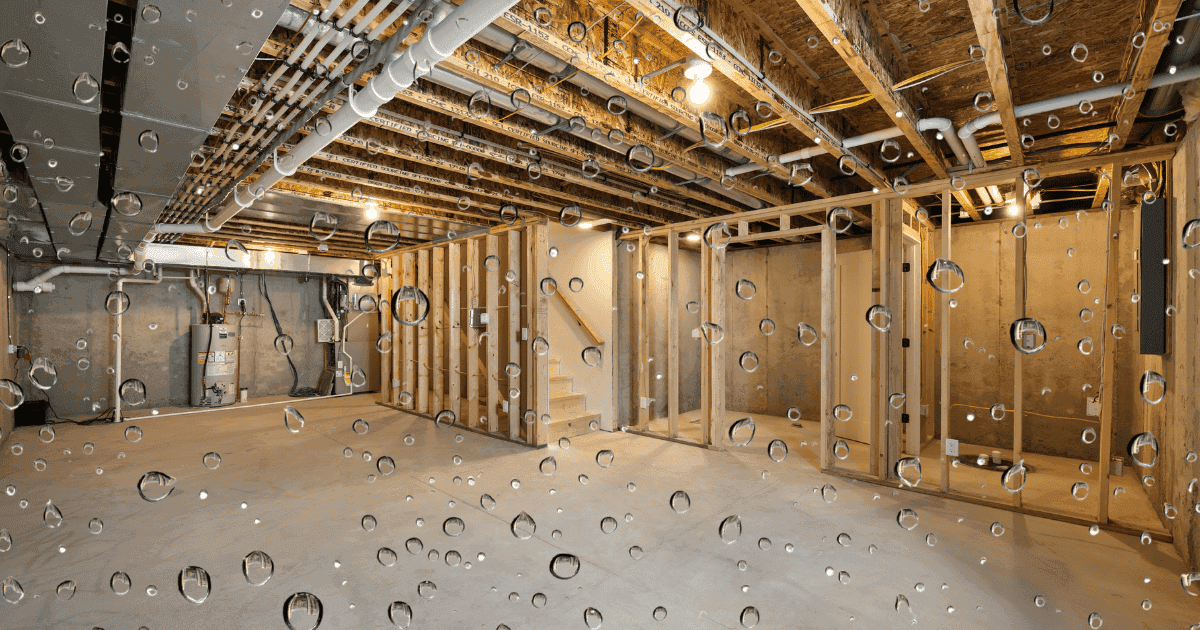
Why Basement Condensation Gets Worse in Winter
You walk downstairs and notice damp basement walls… even though it’s freezing outside. It’s confusing and frustrating, and you’re not alone. Winter condensation is one of the most common cold-weather moisture problems homeowners face.
At Quality Waterproofing + Insulation, we understand how stressful it feels to see moisture in places where it shouldn’t be. Homeowners often wonder:
“Is this a leak? A foundation problem? Mold? Something worse?”
The good news: In many cases, winter moisture is caused by condensation, not a major failure — but it still needs attention so it doesn’t lead to mold, poor air quality, or structural damage.
This guide explains why condensation forms, how to identify it, and the steps to stop it for good.
What Is Condensation and Why Does It Happen in Basements?
Condensation happens when warm, humid indoor air meets cold basement walls.
The colder the wall, the faster moisture forms on the surface.
Basements are especially prone to this because:
Concrete stays cold
Basements sit below ground where temperatures are lower
Warm household air naturally moves downward
Winter activities create more indoor moisture (showers, cooking, laundry)
According to the U.S. EPA, indoor moisture creates ideal conditions for mold growth and must be managed promptly.
How to Tell If It’s Condensation (Not a Leak)
Before fixing the problem, identify the source.
Signs it is condensation:
Moisture beads evenly across large areas
Walls feel cold but not soft
No visible water trail or entry point
Increases after showers, cooking, or laundry
Gets worse on very cold days
Signs it might not be condensation:
Water is pooling on the floor
Moisture appears after rain or snowmelt
Visible cracks are leaking
Staining or efflorescence (white powder) appears
A musty smell that won’t go away
If you’re unsure, schedule a free inspection with our team:
Why Condensation Gets Worse in Winter
Cold Concrete + Warm Indoor Air
Basement walls are surrounded by cold soil. As warm, humid air flows downward, it hits cold surfaces and releases moisture.
Closed-Up Houses Trap Moisture
During winter, windows stay shut and homeowners run humidifiers, increasing indoor humidity.
More Indoor Activities Create Steam
Cooking, boiling water, laundry, and showering all add moisture to the air.
Poor Insulation Makes Walls Even Colder
Uninsulated or poorly insulated foundations pull cold temperatures into the home.
This is why winter condensation is more than an inconvenience — it’s a symptom of deeper moisture and insulation issues.
Why You Should Never Ignore Basement Condensation
Even if it seems minor, winter condensation can lead to:
Mold and mildew growth
Musty odors
Damaged insulation
Rotting framing
Increased allergies
Higher heating bills
Long-term structural damage
The University of Minnesota Extension warns that untreated moisture problems can lead to severe indoor air quality issues.
Moisture today can become mold tomorrow and structural issues years later.
How to Stop Condensation on Basement Walls During Winter
Here are the most effective ways to prevent winter moisture — starting with simple fixes and building up to long-term solutions.
1. Reduce Indoor Humidity (First Line of Defense)
Moisture in the air is the biggest driver of condensation.
Easy ways to lower humidity:
Run exhaust fans in bathrooms and kitchens
Shorten shower times
Cover pots while cooking
Ventilate laundry areas
Avoid overusing humidifiers
Keep basement doors open for airflow
A good baseline: 40–50% humidity in winter.
2. Improve Basement Ventilation
Fresh air helps regulate moisture levels.
Options include:
Adding basement air returns
Running a dehumidifier
Installing a moisture ventilation system (like EZ Breathe)
Improving HVAC air circulation
A system like EZ Breathe removes humid, stale air and is recommended by the EPA as part of a whole-home moisture strategy.
3. Insulate Your Basement Walls
Insulation prevents cold basement walls from interacting with warm air.
Benefits:
Reduces condensation
Lowers energy bills
Creates a more comfortable living space
Helps regulate basement temperature
Improves overall air quality
Spray foam insulation is especially effective because it adds both:
R-value (warmth)
Moisture barrier protection
4. Seal Foundation Cracks and Gaps
Even if the moisture is mostly condensation, cracks can still allow cold air — and sometimes water — to enter.
If you see:
Hairline cracks
Stair-step cracks
Horizontal cracks
Cracks leaking water
They should be repaired before the issue grows.
5. Install Proper Basement Waterproofing
If you suspect water intrusion, waterproofing protects your home long-term.
Interior systems include:
Drain tile systems
Sump pump installation
Vapor barriers
Moisture control membranes
Exterior waterproofing includes:
Foundation sealing
Drainage systems
Exterior membranes
👉 Explore waterproofing options:
6. Fix Drainage Issues Around the Home
Even winter rain and melting snow can increase moisture around your foundation.
Check for:
Poor grading
Short downspouts
Clogged gutters
Standing water near foundation walls
These issues create cold, wet foundations — increasing condensation inside.
7. Insulate Cold Water Pipes
Bare pipes “sweat” in winter and add moisture to the basement.
Pipe insulation is a low-cost way to reduce overall humidity.
8. Encapsulate Your Crawl Space
If you have a crawl space, moisture will travel directly upward into the basement.
A sealed, insulated crawl space:
Blocks moisture
Regulates indoor humidity
Prevents mold and odors
Keeps floors warmer
Reduces energy bills
👉 https://www.qualitywaterproofing.com/services/crawl-space-encapsulation
When to Call a Professional
If condensation keeps returning—even after humidity control—it’s time for an inspection.
Call an expert if you notice:
Persistent damp walls
Musty odors
Visible mold
Pooling water
Worsening cracks
Damage to insulation
High humidity despite running a dehumidifier
A trained technician can determine whether you have:
True condensation
A hidden leak
Groundwater intrusion
Poor ventilation
Insulation gaps
Drainage failures
And most importantly — how to fix it permanently.
Final Thoughts: Your Basement Doesn’t Have to Be Damp in Winter
Condensation may be common in winter, but it’s not normal and you don’t have to live with it.
Clean air, a dry basement, and a healthy home are absolutely possible.
At Quality Waterproofing we stop the conditions that cause condensation and protect your home from moisture at every level.
No one should have to worry their home is unhealthy or unsafe.
👉 Schedule a Free Basement Evaluation
https://www.qualitywaterproofing.com/contact
📥 Download our Free Foundation Crack Guide
https://www.qualitywaterproofing.com/resources
Read more articles
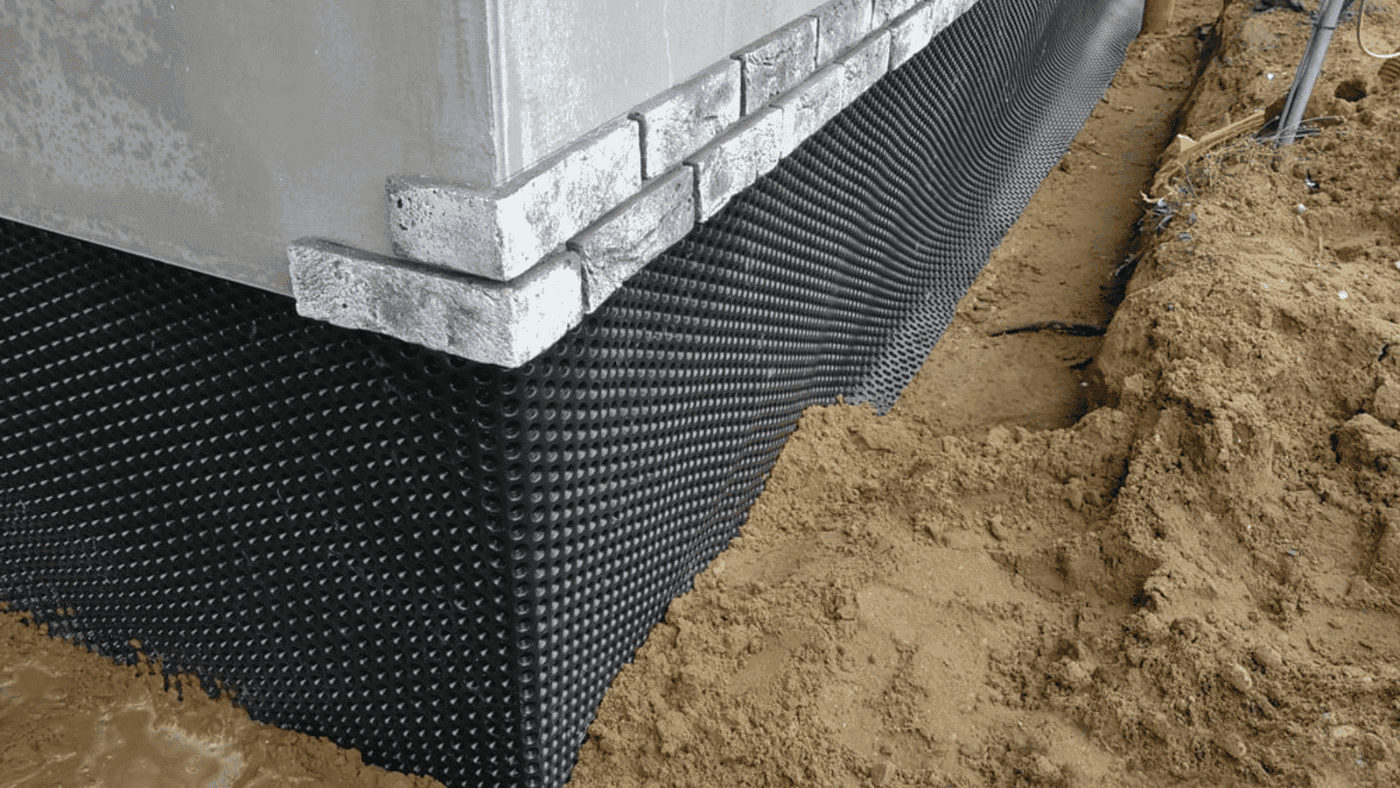
18 Jul 2024
The Cost of Ignoring Basement Waterproofing
If you skip out on waterproofing it, you might be setting yourself up for some serious headaches.

18 Jul 2024
5 Common Signs of Foundation Problems
Your home's foundation is like the backbone of the entire structure—it keeps everything standing strong and steady.
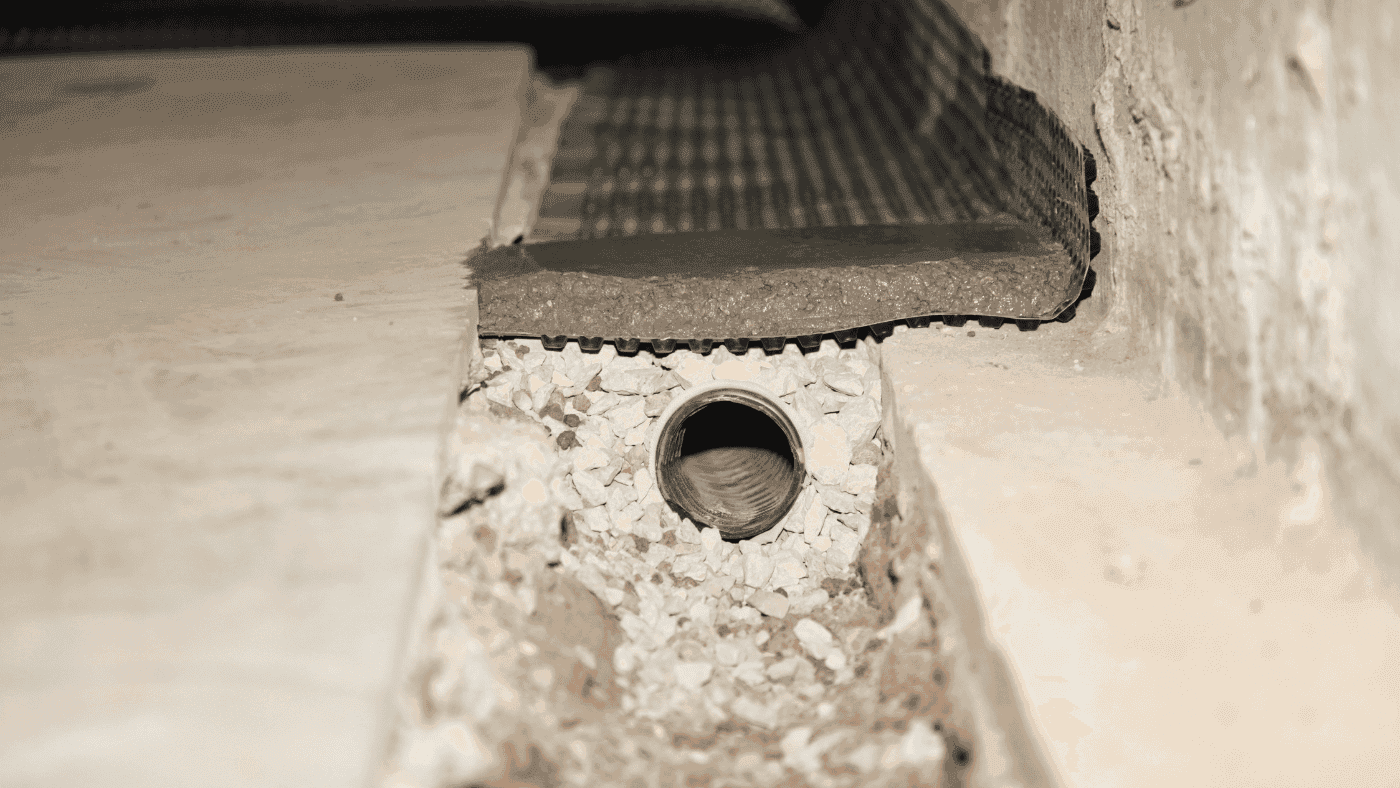
18 Jul 2024
5 Signs Your Basement Needs Waterproofing
Basements tend to be the first to feel the effects of unwanted water, and that can lead to all kinds of headaches.