Selling a House With Basement Water Damage in St. Louis: What Sellers Need to Know
You've decided to sell your St. Louis home, and everything is coming together, except for that basement. Maybe it's a musty smell you've learned to walk past, a stain near the sump pump, or a crack that showed up sometime last winter.

You’ve decided to sell your St. Louis home, and everything is coming together, except for that basement. Maybe it’s a musty smell you’ve learned to walk past, a stain near the sump pump, or a crack that showed up sometime last winter. Selling a house with basement water damage in St. Louis brings up a specific kind of stress: Will a buyer’s inspector find it? Do you have to say something about it? Will it kill the deal? You’re not imagining the risk. A wet basement is one of the fastest ways a St. Louis listing goes sideways at the negotiating table, but it doesn’t have to be yours.
The Problem With Listing a Home With a Wet Basement
Missouri buyers, and the inspectors they hire, are trained to look for exactly this. A seller who says nothing is gambling that a professional won’t notice. That’s a bad bet. Beyond the practical risk, there’s the internal stress of it: the fear of a lowball offer, a buyer walking away at the last minute, or a dispute after closing if something surfaces later that wasn’t mentioned. None of that is how selling a home you’ve lived in and cared for should feel. You’ve put years into this house. You deserve to list it, sell it, and move on with confidence, not a lingering worry about what an inspector is going to find in the basement.
We understand that stress. We hear it from sellers constantly, usually a few weeks before closing, when there’s no time left to spare. Quality Waterproofing + Insulation has been solving basement and foundation problems in the St. Louis area since 1955, and we carry a 4.9 rating from more than 380 Google reviews. We’ve sat across from enough sellers at this exact stage to know the difference between a problem that’s manageable now and one that becomes a closing-day emergency later.
Foundation Disclosure in Missouri: What Sellers Are Expected to Share
Missouri doesn’t have one single, all-encompassing statute that spells out every item a home seller must disclose the way some states do. Instead, sellers work from a narrower set of statutory requirements (things like lead-based paint on homes built before 1978) layered on top of a broader legal duty not to conceal or misrepresent a known material defect, as explained in Nolo’s overview of Missouri home seller disclosure obligations. In practice, most Missouri listings still use the standard seller’s disclosure statement built by Missouri REALTORS, which directly asks sellers about known problems with plumbing, water sources, and other structural systems. A wet or previously wet basement falls squarely inside that question.
Because disclosure obligations often come down to what you actually knew at the time of sale, a basement issue that goes unmentioned and is later found by a buyer’s inspector can turn into a far bigger negotiation than the repair itself would have cost. This is general information, not legal advice. Every disclosure form and every situation is a little different, so talk through your specific history with your real estate agent or a real estate attorney before you sign anything.
What a Wet Basement Costs You at the Negotiating Table
Even sellers who’d rather not think about the basement should expect a professional to. According to the American Society of Home Inspectors, inspectors pay close attention to the foundation and basement specifically because problems there are expensive to fix and easy to overlook during an ordinary walkthrough: efflorescence on a wall, a hairline crack, or a sump pump that hasn’t been tested in years is exactly what a trained inspector is looking for. Once a wet basement home inspection turns up water intrusion, buyers generally respond one of three ways: they ask for a price reduction, they ask you to fix it before closing, or they walk away from the deal entirely.
Every one of those outcomes costs more than the repair itself would have. A home that lists with an unresolved basement issue tends to sit on the market longer and draw lower offers, and in some cases it can complicate a buyer’s financing, since lenders can require water intrusion problems to be repaired before they’ll fund the loan. Homes that address the issue before listing, with documentation of the work in hand, tend to move faster and with fewer renegotiations, simply because there’s nothing left for an inspector to discover. Sellers across St. Louis and in communities like Des Peres who waterproof before listing aren’t just fixing a basement: they’re protecting their asking price and their negotiating position.
Basement Waterproofing Before You List
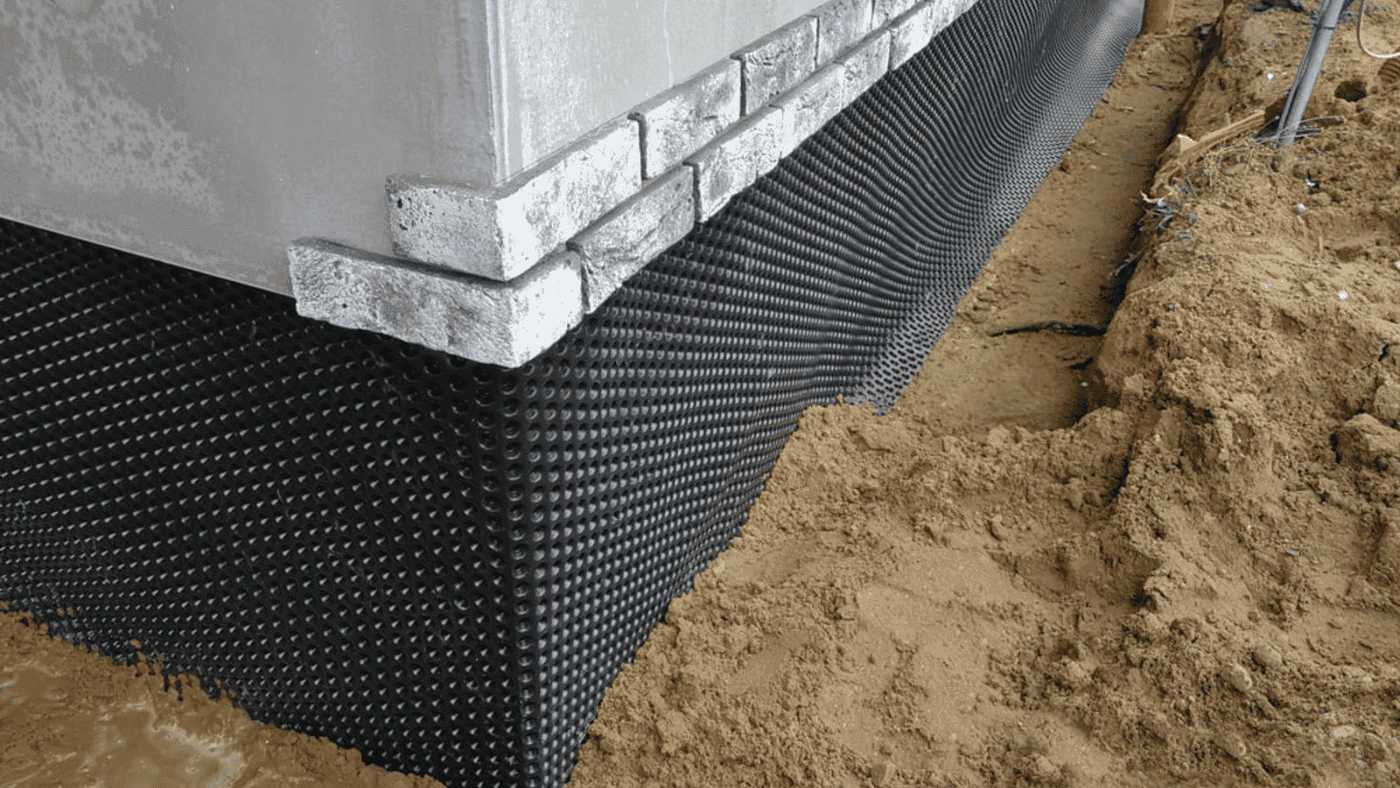
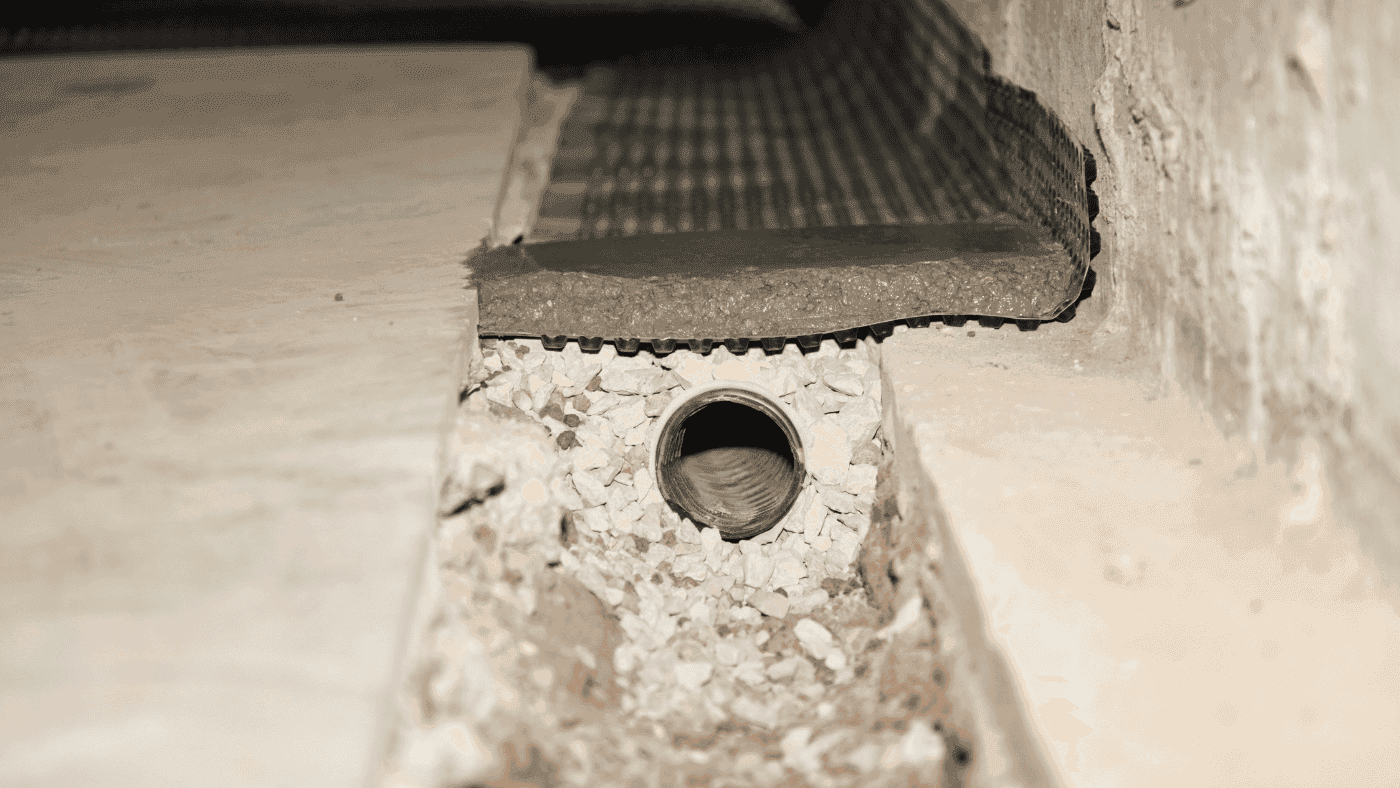
Basement waterproofing before selling a home isn’t about doing more than necessary: it’s about controlling the story instead of reacting to whatever an inspection report says. Depending on what’s actually happening in your basement, that might mean an interior drainage system, a new or upgraded sump pump, or repairing a specific crack or leak point. Our basement waterproofing services are built around finding the actual source of the water, not just patching the symptom, so the fix holds up under a buyer’s inspection instead of raising new questions.
Why a Transferable Warranty Matters to a Buyer
A repair is only as reassuring as what backs it up, and that’s worth remembering when you’re negotiating with a buyer who’s nervous about a basement that’s had water in it before. Quality Waterproofing is the only waterproofing system in the St. Louis area backed by a lifetime warranty, and our repair work also carries a craftsmanship warranty. When that coverage transfers to the next owner through our Quality+ program, it stops being just a repair and becomes something you can point to on the listing: proof the problem was actually solved, not just covered up before the photos were taken.
How We Help Sellers Get a Basement Sale-Ready
The process is straightforward, and most sellers can get through it well before their listing date:
Schedule a free inspection. We look at what’s actually happening in your basement and why, not just where the water is showing up.
We design a custom repair plan, not a generic package, but one built around your foundation, your soil, and your timeline to list.
Certified experts get to work, and you close out the project with a craftsmanship warranty in hand: something you can show a buyer or their inspector directly.
Whether you’re listing a bungalow in the city or a home in Des Peres, a wet basement doesn’t have to be the thing that stalls your sale. If you’re not sure whether what you’re seeing is a quick fix or something bigger, our 5 signs your basement needs waterproofing guide is a good place to start, and you can see the full reach of our team on our service area page. When you’re ready to move forward, call us at (314) 202-5000 or schedule a free inspection online. We’ll help you list with a dry basement and a clear answer for the first buyer who asks about it.
Read more articles
18 Jul 2024
The Cost of Ignoring Basement Waterproofing
If you skip out on waterproofing it, you might be setting yourself up for some serious headaches.

18 Jul 2024
5 Common Signs of Foundation Problems
Your home's foundation is like the backbone of the entire structure—it keeps everything standing strong and steady.
18 Jul 2024
5 Signs Your Basement Needs Waterproofing
Basements tend to be the first to feel the effects of unwanted water, and that can lead to all kinds of headaches.