Basement Insulation
A properly insulated basement means warmer floors, lower bills, and a drier, healthier home.
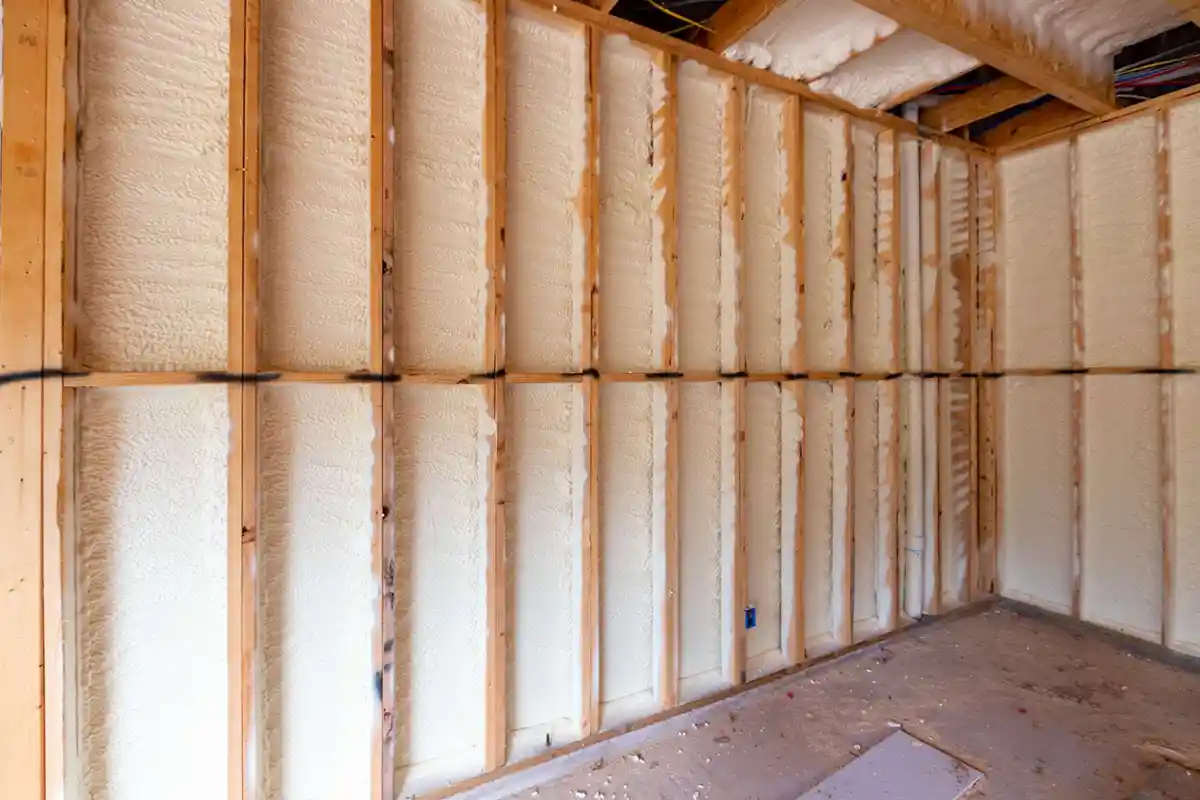
Basement Insulation in St. Louis, MO
Expert basement wall and rim joist insulation in St. Louis, MO. Spray foam, rigid foam, and batt options. Improve comfort, reduce moisture, and lower energy bills.
Why Basement Insulation Matters in St. Louis
Uninsulated basements are a significant source of heat loss, accounting for 10-15% of total home energy consumption. Beyond energy waste, uninsulated basements create moisture infiltration and condensation problems. In St. Louis, where summer humidity regularly exceeds 70%, an uninsulated basement creates ideal conditions for condensation, mold growth, and structural damage to foundation walls and joists.
Properly insulating your basement walls and rim joists creates a more comfortable home, reduces energy costs, and protects your foundation from moisture-related problems. First-floor rooms become noticeably warmer and more comfortable in winter, and basement spaces become usable for storage, recreation, or living space. The combination of thermal and moisture control makes basement insulation one of the most impactful home improvements available.
Where We Insulate in Your Basement
Basement Walls
We evaluate options for your specific basement — spray foam, rigid foam, or fiberglass batts with moisture barriers. Moisture management is the critical factor in basement wall insulation. We never install materials that will trap moisture against concrete and masonry.
Rim Joists
Rim joists (where the floor framing meets the foundation wall) are often the single biggest source of air infiltration in older homes throughout Missouri. This area is frequently overlooked during original construction or renovations. Spray foam is the gold standard for rim joists because it seals air leaks while providing insulation.
Basement Ceiling
When insulating the ceiling (rather than the walls) makes sense — typically in unheated or unconditioned basements. This approach separates the thermal envelope so the basement stays cool in summer while insulating the first floor from the temperature below.
Spray Foam for Basements — The Best Solution
Closed-cell spray foam is the preferred solution for basement walls and rim joists in St. Louis. It provides both insulation and a Class II vapor retarder in one application, eliminating the need for a separate vapor barrier. This dual functionality is critical in our humid climate where moisture is the enemy of basement comfort and structural integrity.
Spray foam adheres directly to concrete and block walls, providing a seamless, durable application that won't sag, fall, or degrade. The material is impermeable to moisture infiltration and won't support mold growth. With proper installation, closed-cell spray foam on basement walls and rim joists significantly improves comfort in above-grade living spaces while protecting your foundation.
Common Basement Insulation Mistakes to Avoid
Installing fiberglass batts against concrete without a vapor barrier — this traps moisture and accelerates mold.
Not addressing water intrusion before insulating — insulation can't fix a water problem; it only hides it.
Blocking the sump pump or drainage systems with insulation materials.
Using the wrong type of foam board (some absorb moisture and degrade over time).
Insulating over an existing mold problem without remediation first.
Frequently Asked Questions
Q: Should I insulate my basement walls or ceiling?
A: It depends on whether your basement is conditioned (heated/cooled). Insulating the walls creates a conditioned basement suitable for living space. Insulating the ceiling only separates the first floor from the basement below. We'll recommend the right approach based on how you use or plan to use your space.
Q: Can I insulate my basement myself?
A: We strongly advise against DIY basement insulation in St. Louis due to the moisture complexity. Improper installation can trap moisture and accelerate mold growth, causing structural damage and health hazards.
Q: Does basement insulation require a vapor barrier?
A: Closed-cell spray foam acts as its own vapor retarder, eliminating the need for a separate barrier. For other insulation types, we'll determine the appropriate moisture control strategy based on your basement's specific conditions.
Q: Will insulating my basement make it warmer?
A: Yes — significantly. Properly insulated basement walls and rim joists reduce drafts throughout the home and make first-floor rooms noticeably more comfortable. Even an unheated basement becomes less cold when walls are insulated.
Quality Waterproofing + Insulation's Approach
As a company with roots in both waterproofing and insulation, we understand the critical relationship between moisture control and thermal performance. We will never install insulation over an active moisture problem — and we have the expertise to identify and address water issues before they become insulation failures.
Our integrated approach means you get professional guidance on foundation waterproofing, drainage, and ventilation alongside insulation recommendations. This prevents costly mistakes and ensures your basement insulation investment delivers lasting performance and comfort.
Ready for a warmer, drier, more energy-efficient basement?
Quality Waterproofing + Insulation provides free assessments across St. Louis and surrounding counties. Contact us today to schedule your basement evaluation and discover how professional insulation can transform your comfort and protect your foundation.