Blown-In Insulation
Blown-in insulation is the fastest, most cost-effective way to bring your attic up to modern energy standards.
Blown-In Insulation in St. Louis, MO
Professional blown-in insulation installation in St. Louis, MO. Cellulose and fiberglass options for attics, walls & hard-to-reach spaces. Free estimates available.
What Is Blown-In Insulation?
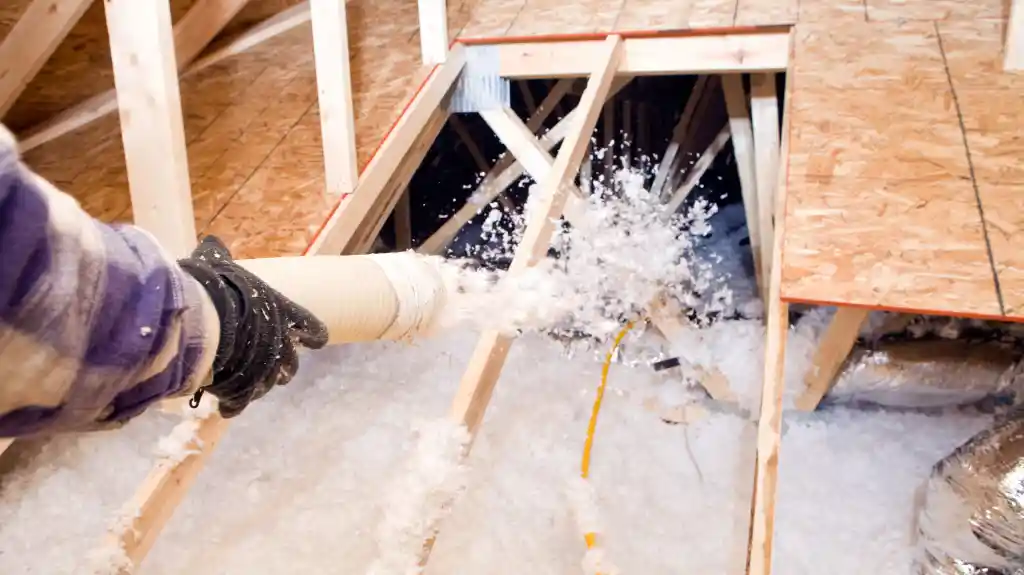
Blown-in (or loose-fill) insulation is installed using specialized equipment that pneumatically blows small particles of insulation material into place. It's ideal for filling irregular spaces, hard-to-reach cavities, and existing wall and attic spaces without major demolition or structural disruption. This method provides excellent coverage of complex building geometries and allows us to achieve your target R-value efficiently.
Blown-in insulation comes in two primary forms: cellulose and fiberglass, each with distinct advantages. We can recommend the ideal material based on your home's age, current conditions, climate needs, and budget. Both options have been proven effective across St. Louis residential and commercial properties.
Cellulose vs. Fiberglass Blown-In
Cellulose insulation is made from recycled paper fibers treated with fire retardant, offering superior density and better air resistance compared to fiberglass. With an R-value of approximately R-3.7 per inch, cellulose is denser and more effective at blocking air movement. It's an excellent choice for environmentally conscious homeowners and is particularly effective in retrofit situations where complete cavity filling is needed. However, cellulose can settle slightly over time and may require top-offs in rare cases.
Fiberglass blown-in insulation is lighter in weight and offers excellent moisture resistance, with R-values ranging from R-2.2 to R-2.7 per inch depending on density. Fiberglass is resistant to settling and maintains its performance characteristics for decades with minimal maintenance. It's often preferred for new construction and situations where long-term performance without settling is critical. Both materials are safe, proven, and widely used in St. Louis homes.
Where Blown-In Works Best
Attic floors (the most common and cost-effective application for St. Louis homes)
Existing walls without opening them (injection method for older homes)
Bonus rooms and knee walls (irregular spaces where batts don't fit well)
Floors above unheated spaces (basements, crawl spaces, garages)
Cathedral ceilings (complex geometries easily handled by pneumatic installation)
Benefits
More affordable than spray foam for large attic areas, delivering excellent value for homeowners on a budget.
Fills irregular cavities and gaps that fiberglass batts miss, providing comprehensive coverage.
Fast installation — most residential attics are completed in a single day, minimizing disruption.
Can be installed over existing insulation, saving removal costs and labor time.
Excellent thermal performance — R-38 to R-60 achievable in attics depending on material and depth.
Eco-friendly option available — cellulose is made from recycled content and is fully recyclable.
Improves comfort throughout the home by reducing hot and cold spots and drafts.
Our Blown-In Installation Process
Assessment and measurement of current R-value in attic or wall cavities.
Comprehensive attic inspection for air sealing needs — we always seal before blowing in insulation.
Professional equipment setup and protective measures for your home and belongings.
Blown-in application to your target depth and density for optimal R-value.
Depth check and final verification against DOE recommendations for your climate zone.
Cleanup and detailed homeowner walkthrough with maintenance recommendations.
Air Sealing + Blown-In — The Right Way To Do It
Quality Waterproofing + Insulation always addresses air sealing before blowing in insulation. This is a critical differentiator between professional installation and amateur work. Adding insulation over air leaks is like adding a thicker blanket to a drafty room — it helps somewhat, but you're still losing conditioned air through gaps around light fixtures, plumbing penetrations, and top plates.
Our process includes sealing all air bypasses with caulk and weatherstripping before insulation is blown in. This ensures that your new insulation works in concert with a complete thermal envelope, delivering 20-30% greater energy savings than insulation alone. Many contractors skip this step to save time; we never do.
Frequently Asked Questions
Q: How much blown-in insulation do I need in my attic in St. Louis?
A: For Missouri's climate zone (Zone 4-5), the Department of Energy recommends R-38 to R-60 for attics. We measure your current R-value and recommend exactly how much additional insulation to add to meet or exceed these standards.
Q: How long does blown-in insulation last?
A: Fiberglass loose-fill lasts 20-30+ years with minimal settling. Cellulose may settle slightly over time and can be topped off if needed. Both materials remain effective for the life of your home with minimal maintenance.
Q: Can blown-in insulation be installed in winter?
A: Yes — we install year-round, regardless of weather conditions. In fact, adding insulation before winter is one of the best investments a St. Louis homeowner can make to reduce heating costs.
Q: Will you remove old insulation before installing?
A: Not always necessary. We assess current conditions carefully. If existing insulation is contaminated, damaged, or inadequate, we'll recommend removal first for optimal performance.
Don't let another St. Louis winter drive up your energy bills.
Contact Quality Waterproofing + Insulation for a free blown-in insulation estimate. Our certified professionals will assess your current insulation levels, identify air leaks, and recommend the perfect solution for your home. With our proven process and quality materials, your energy bills will drop and your comfort will increase.