How to Make Sure Your Basement Foundation Is in Good Shape After Weeks of Below-Freezing Temperatures
After weeks of freezing temperatures, your basement foundation may be under stress. Learn how to inspect for damage, moisture issues, and warning signs—and how to protect your home before spring problems begin.
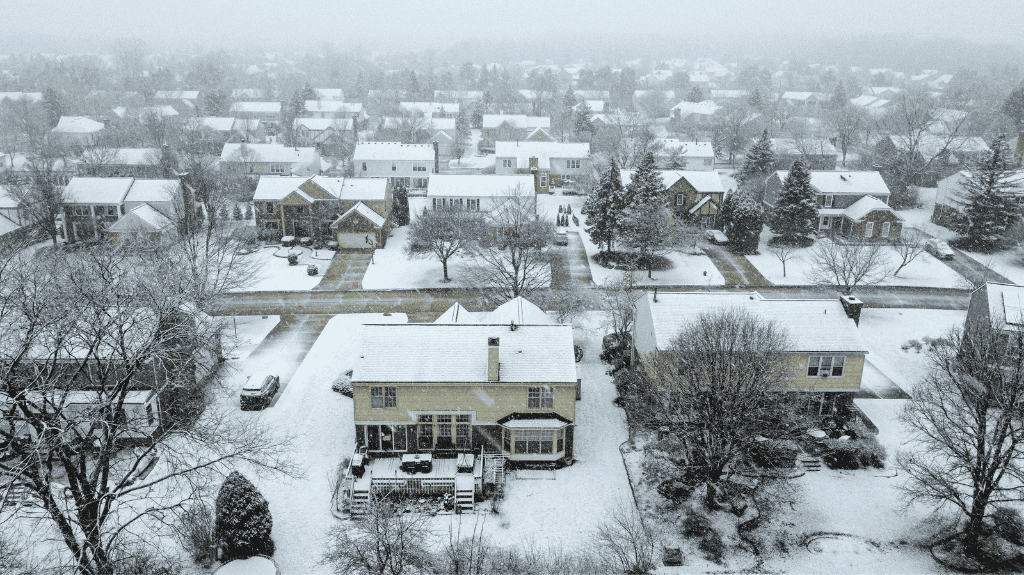
After a Long Freeze, Your Foundation Deserves a Check
When winter brings weeks of below-freezing temperatures, most homeowners focus on staying warm and keeping pipes from freezing. What often goes unnoticed is what’s happening below ground, where your basement foundation is quietly absorbing stress from cold soil, moisture, and pressure.
We understand the worry homeowners feel when winter finally loosens its grip and questions start creeping in:
Did the cold damage my foundation?
Is that crack new—or just more noticeable now?
Will spring rains make things worse?
Your home is too valuable to leave those questions unanswered. This guide will walk you through how to make sure your basement foundation is in good shape after prolonged freezing weather, what to look for, and when to bring in a professional, before small issues turn into costly repairs.
Why Below-Freezing Temperatures Stress Basement Foundations
Basement foundations are designed to be strong, but they’re not immune to winter conditions. Prolonged cold affects both soil and concrete, and the interaction between the two is where problems often begin.
Here’s what happens during extended freezing periods:
Soil around the foundation becomes dense and rigid
Moisture in the ground expands when frozen
Pressure builds against foundation walls
Concrete contracts in cold temperatures
Small cracks can widen or become pathways for moisture
According to the University of Minnesota Extension, changes in soil moisture and temperature can significantly affect foundation performance, especially in climates with long winters.
The result? Damage that may not be obvious until temperatures rise.
Step 1: Start With a Visual Basement Inspection
Once temperatures begin to moderate, take a slow walk around your basement. You don’t need tools, just a careful eye.
Look for changes in foundation walls
Pay attention to areas that look different than they did before winter:
New or widening cracks
Cracks that look darker or damp
White, chalky residue (efflorescence)
Uneven discoloration
Even hairline cracks are worth noting, especially if they weren’t there before.
👉 Learn more about identifying cracks here
Step 2: Check for Signs of Moisture or Dampness
Weeks of freezing temperatures don’t eliminate moisture, they often trap it.
As the ground begins to thaw, moisture can move toward the foundation and find paths inside.
Warning signs include:
Damp spots on basement walls or floors
Condensation forming on concrete
Musty or earthy odors
Peeling paint or bubbling wall coverings
The U.S. Environmental Protection Agency warns that persistent moisture can quickly lead to mold growth and indoor air quality issues if left untreated.
If your basement smells musty that’s often one of the first clues something changed below the surface.
Step 3: Pay Attention to Horizontal and Stair-Step Cracks
Not all cracks carry the same level of concern.
Cracks that deserve closer attention after winter:
Horizontal cracks, which may signal pressure from soil
Stair-step cracks in block foundations
Cracks that appear to be widening
Cracks accompanied by wall bowing or bulging
Cold weather can increase lateral pressure against foundation walls, especially if soil remained wet beneath frozen layers.
These cracks don’t always leak right away, but they often do once spring rains arrive.
Step 4: Inspect the Basement Floor and Corners
Foundation stress doesn’t only show up on walls.
Check:
Floor-to-wall joints
Corners of the basement
Areas near sump pits or drains
Look for:
Damp edges
Fine cracking in the slab
Mineral deposits near joints
Water often enters at the weakest connection points, especially after months of frozen ground redirecting moisture.
Step 5: Evaluate Your Sump Pump and Drainage Systems
If your home has a sump pump, winter is a critical transition period.
After prolonged freezing:
Discharge lines may have frozen or shifted
Pumps may not have cycled for months
Switches can stick
Backup systems may need testing
A sump pump that worked fine last fall can fail when spring melt and rain arrive. Testing now can prevent a stressful surprise later.
👉 Learn more about basement waterproofing systems
Step 6: Look Outside, Winter Leaves Clues
Your basement foundation doesn’t exist in isolation. Step outside and walk the perimeter of your home.
Check for:
Soil pulling away from the foundation
Low spots where water may collect
Downspouts dumping water near the house
Cracked or shifted concrete near the foundation
Weeks of freezing can change grading subtly. Even small shifts can redirect water toward your foundation once thawing begins.
Step 7: Don’t Overlook Insulation and Air Sealing
Cold foundations paired with warm indoor air often lead to condensation, which keeps concrete damp even without leaks.
Poor insulation can:
Make foundation walls colder
Increase condensation
Trap moisture inside wall systems
Raise energy bills
Insulation plays a major role in protecting foundations by controlling temperature and moisture movement.
👉 Learn about crawl space and insulation solutions:
https://www.qualitywaterproofing.com/services/crawl-space-encapsulation
Common Problems That Show Up After Winter
Homeowners often discover these issues in late winter or early spring:
Basement leaks during the first heavy rain
New foundation cracks
Increased musty odors
Mold growth behind stored items
Efflorescence on walls
Higher humidity levels
When to Call a Professional
You don’t need to panic at every crack, but some signs should never be ignored.
Schedule a professional inspection if you notice:
New or expanding cracks
Horizontal or stair-step cracks
Persistent dampness or odors
Water entering after thaw or rain
Bowing or leaning walls
Repeated condensation
Quality Waterproofing inspections are designed to answer one simple question:
Is your foundation healthy or is something starting to change?
No pressure. Just clear answers and a plan.
What Success Looks Like After Winter
When your basement foundation is in good shape, you’ll notice:
Dry walls and floors
Stable foundation surfaces
No musty odors
Controlled humidity
Peace of mind heading into spring
That’s the confidence every homeowner deserves.
Final Thoughts: Winter Ends, Foundation Care Doesn’t
Weeks of below-freezing temperatures put real stress on your home, even if everything looks fine at first glance. Taking time now to check your basement foundation can save you from bigger problems when spring arrives.
We help homeowners move from uncertainty to confidence by stopping water problems early and protecting what matters most.
Read more articles
18 Jul 2024
The Cost of Ignoring Basement Waterproofing
If you skip out on waterproofing it, you might be setting yourself up for some serious headaches.

18 Jul 2024
5 Common Signs of Foundation Problems
Your home's foundation is like the backbone of the entire structure—it keeps everything standing strong and steady.
18 Jul 2024
5 Signs Your Basement Needs Waterproofing
Basements tend to be the first to feel the effects of unwanted water, and that can lead to all kinds of headaches.