Interior vs. Exterior Waterproofing: Which Solution Is Right for Your Home?
Compare interior and exterior waterproofing solutions, learn when to use each, and discover why some homes need both to fully protect foundations from water damage.
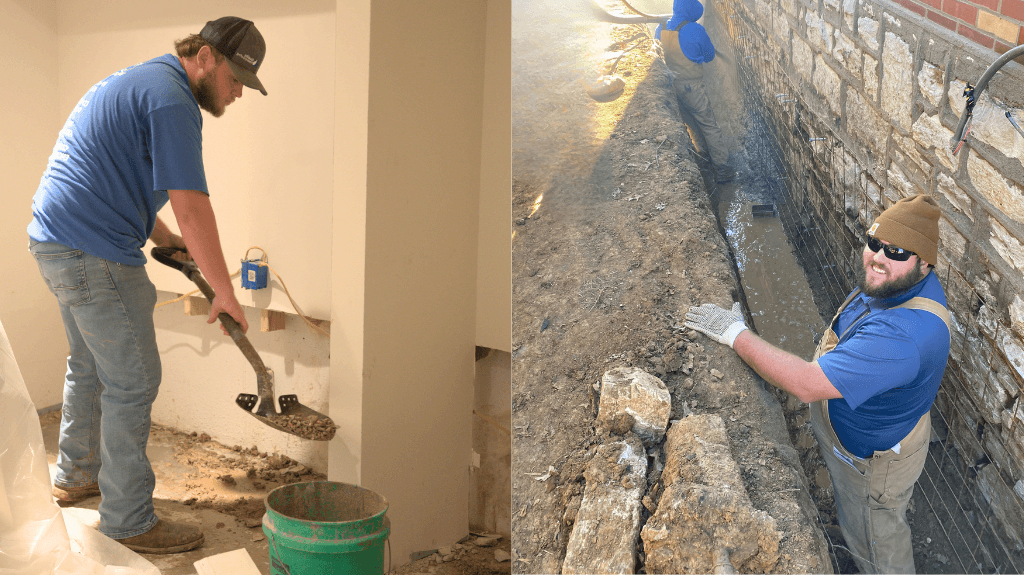
When Water Gets In, the Confusion Begins
If you’ve discovered water in your basement, crawl space, or along your foundation walls, one question to consider is if the problem needs to be fixed from the interior or exterior.
The answer isn’t always simple and choosing the wrong solution can mean ongoing leaks, repeated repairs, and unnecessary stress.
We understand how overwhelming it feels to face foundation moisture issues, especially when you’re hearing different recommendations from different sources.
This guide breaks down interior vs. exterior waterproofing, explains when each is appropriate, and shows why combining both approaches is sometimes the smartest long-term solution.
Why Waterproofing Matters in the First Place
Water is one of the biggest threats to your home’s foundation. When moisture builds up around your home, it creates hydrostatic pressure, a force that pushes water through cracks, joints, and porous concrete.
Over time, water intrusion can lead to:
Foundation cracks
Bowing or buckling walls
Poor indoor air quality
Structural damage
Reduced home value
Waterproofing isn’t just about staying dry, it’s about protecting your investment and creating a healthier living environment.
What Is Interior Waterproofing?
Interior waterproofing focuses on managing water after it enters the foundation area. Instead of stopping water outside the home, these systems control and redirect it safely away from your basement or crawl space.
Common Interior Waterproofing Solutions
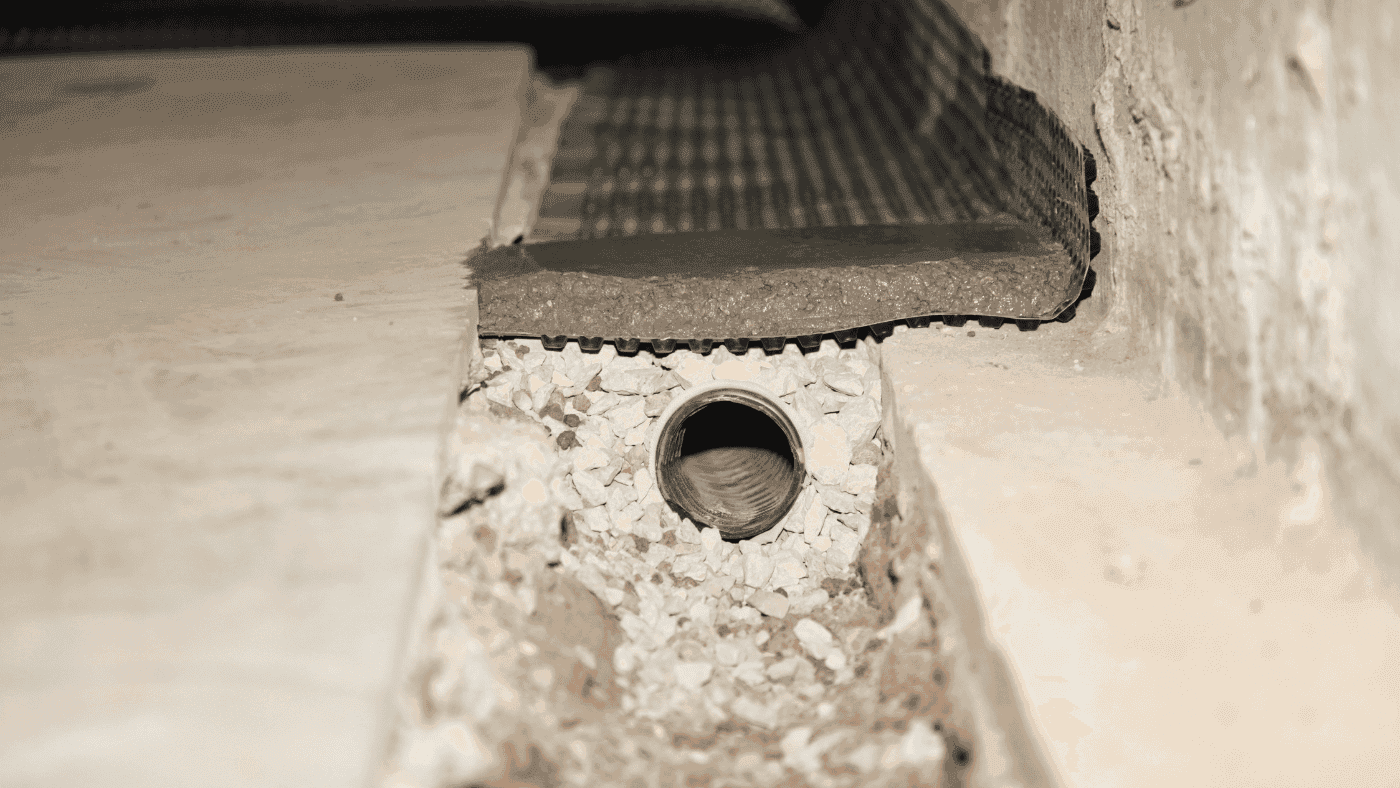
Interior drain tile systems
Sump pump installation
Vapor barriers
Wall membranes
Dehumidification and moisture control systems
👉 Learn more about our interior solutions here.
When Interior Waterproofing Is the Right Choice
Interior waterproofing is often recommended when:
Water enters through the basement floor-wall joint
Seepage occurs through porous concrete walls
Leaks appear during heavy rain
Hydrostatic pressure is the main issue
Exterior excavation is impractical or cost-prohibitive
The home has finished landscaping or hardscaping
Benefits of Interior Waterproofing
✔ Highly effective at managing active leaks
✔ Less disruptive to landscaping and driveways
✔ Typically more affordable than exterior excavation
✔ Faster installation timeline
✔ Works well with sump pump systems
Interior waterproofing doesn’t eliminate water outside the foundation, but it controls it reliably and safely, keeping your basement dry.
What Interior Waterproofing Does Not Do
While interior systems are extremely effective, it’s important to understand their limits:
They don’t stop water from reaching foundation walls
They don’t relieve exterior soil saturation
They don’t address exterior cracks or deteriorated coatings
That’s where exterior waterproofing comes in.
What Is Exterior Waterproofing?
Exterior waterproofing stops water before it ever reaches your foundation walls. This approach focuses on preventing moisture intrusion at the source.
Common Exterior Waterproofing Solutions
Excavation around the foundation
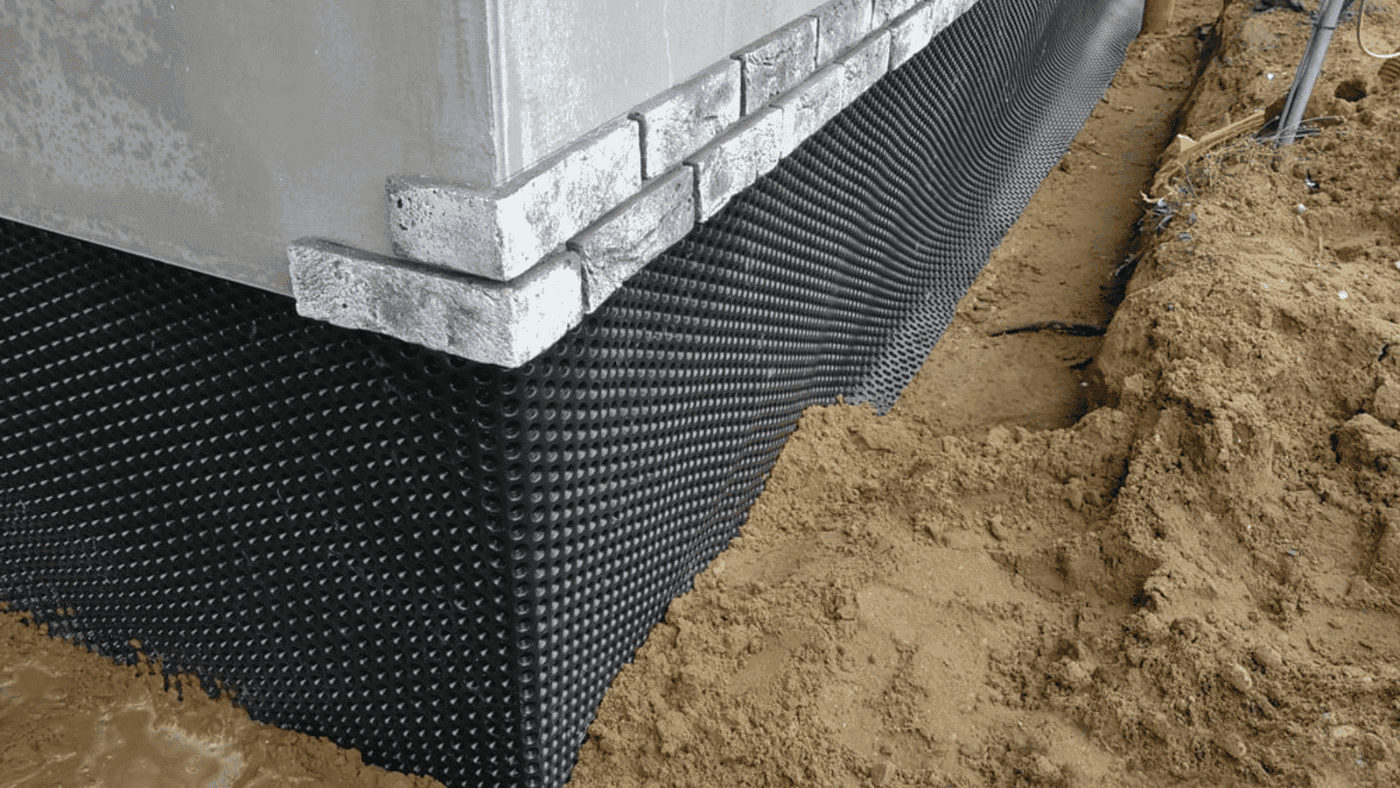
Exterior waterproof membranes or coatings
Drainage systems
Exterior foundation crack sealing
Improved grading and soil management
Exterior waterproofing is considered a preventive solution, designed to protect the structure itself.
When Exterior Waterproofing Is the Right Choice
Exterior waterproofing is often recommended when:
There are visible exterior foundation cracks
The foundation walls are deteriorating
Water penetration is widespread
Long-term structural protection is the goal
The home is undergoing major renovations
Soil conditions hold excessive moisture
Benefits of Exterior Waterproofing
✔ Stops water before it enters the foundation
✔ Protects the structural integrity of foundation walls
✔ Reduces long-term hydrostatic pressure
✔ Extends the life of concrete and masonry
✔ Ideal for severe or chronic water intrusion
Exterior waterproofing addresses the root cause of many water problems, but it can be more invasive.
Interior vs. Exterior Waterproofing: Key Differences
Instead of thinking of these as competing solutions, it’s better to see them as complementary tools.
Interior Waterproofing Focuses On:
Water management
Drainage and redirection
Immediate leak control
Interior moisture protection
Exterior Waterproofing Focuses On:
Water prevention
Structural protection
Soil moisture control
Long-term durability
Both approaches solve different parts of the same problem.
Why Some Homes Need Both Interior and Exterior Waterproofing
In many cases, the most effective solution is a combination of interior and exterior waterproofing.
Homes often need both when:
Water enters through walls and floor joints
Foundation walls show signs of deterioration
Hydrostatic pressure is extreme
The home has a history of chronic leaks
Long-term protection is the priority
Using both methods allows homeowners to:
Stop water outside where possible
Safely manage any water that still reaches the foundation
Protect both structure and living space
This layered approach provides the highest level of protection and peace of mind.
The Role of Drainage and Insulation
Waterproofing works best when paired with proper drainage and insulation.
Drainage directs water away from the home
Insulation prevents condensation and cold wall issues
Vapor barriers reduce moisture movement
Crawl space encapsulation blocks ground moisture
Together, these systems create a healthier, more energy-efficient home.
👉 Learn more about crawl space solutions
How to Know Which Solution Your Home Needs
Every home is different. The right solution depends on:
Where water is entering
Soil conditions
Foundation type
Severity and frequency of leaks
Finished vs. unfinished basements
Long-term homeowner goals
That’s why a professional inspection matters.
We don’t believe in one-size-fits-all solutions. We take the time to diagnose the real cause of the problem and recommend the most effective combination of repairs.
Common Mistakes Homeowners Make
🚫 Choosing the cheapest option without addressing the cause
🚫 Treating symptoms instead of water sources
🚫 Ignoring exterior drainage
🚫 Delaying repairs until damage worsens
Water problems rarely fix themselves, but early action often saves thousands.
Final Thoughts: The Right Waterproofing Strategy Brings Peace of Mind
Interior and exterior waterproofing aren’t competing options, they’re tools that work best when applied correctly.
When done right, waterproofing:
Keeps basements dry
Protects foundations
Improves air quality
Reduces stress
Preserves home value
Our experts guide homeowners through the process with clarity, honesty, and proven solutions.
Read more articles
18 Jul 2024
The Cost of Ignoring Basement Waterproofing
If you skip out on waterproofing it, you might be setting yourself up for some serious headaches.

18 Jul 2024
5 Common Signs of Foundation Problems
Your home's foundation is like the backbone of the entire structure—it keeps everything standing strong and steady.
18 Jul 2024
5 Signs Your Basement Needs Waterproofing
Basements tend to be the first to feel the effects of unwanted water, and that can lead to all kinds of headaches.