Water in Basement After Rain — Who Should You Call in St. Louis?
Water in your basement after rain in St. Louis? Learn who to call, what causes basement leaks, and how waterproofing professionals can protect your foundation.
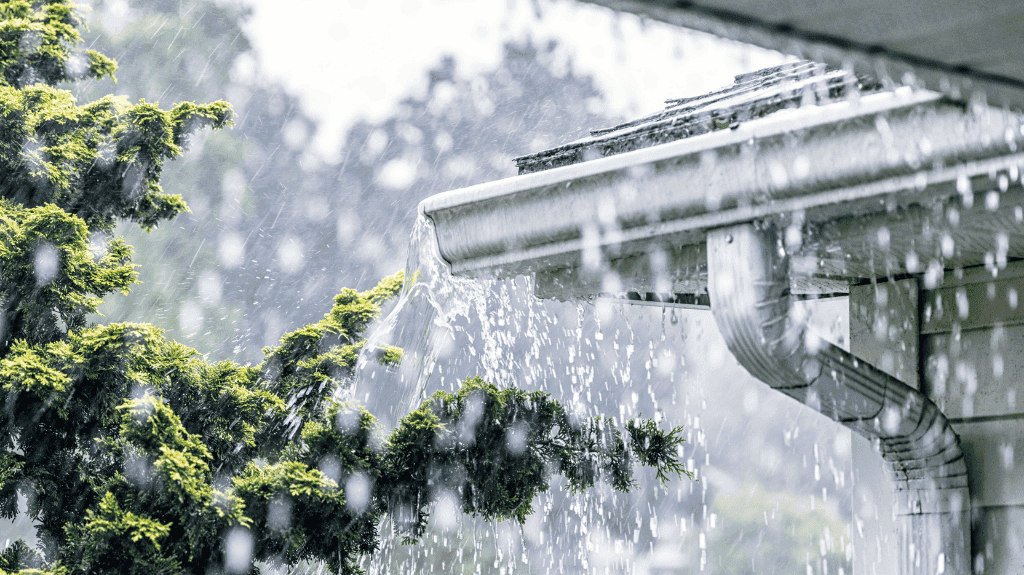
Few things worry a homeowner faster than discovering water in the basement after a rainstorm. It often happens suddenly, after a heavy spring storm or a week of steady rain and leaves homeowners wondering what went wrong.
Should you call a plumber? A general contractor? A foundation repair company?
In St. Louis and St. Louis County, basement water problems are especially common during spring because clay-heavy soil holds moisture and increases pressure against foundation walls.
We understand how stressful it feels when water shows up in your home. No one should have to worry every time it rains.
The good news is that most basement leaks follow predictable patterns. Once you understand who to call and what causes water in the basement after rain, it becomes much easier to protect your home and prevent future damage.
Why Basements Leak After Heavy Rain in St. Louis
Before deciding who to call, it helps to understand why basements leak in the first place.
When rain saturates the ground around your home, water builds pressure against the foundation walls. This pressure is known as hydrostatic pressure.
Concrete foundations are strong, but they are also porous. When enough pressure builds, water looks for the easiest path inside.
Common entry points include:
Small foundation cracks
Gaps where the basement wall meets the floor
Porous concrete block walls
Pipe penetrations
Window wells
Drainage problems outside the home
Clay soil—common throughout the St. Louis region—can make the problem worse because it holds water longer than sandy soil.
According to the EPA’s guide to moisture and mold, persistent moisture around foundations can lead to mold growth and indoor air quality problems if it isn’t addressed quickly.
Understanding the cause of the leak is the first step in deciding who should handle the repair.
Should You Call a Plumber for Water in the Basement?
Many homeowners assume water in the basement must be a plumbing problem.
In some cases, that’s true. A plumber may be the right call if the water is coming from:
A broken supply pipe
A leaking water heater
A washing machine line
A burst pipe
A sewer backup
These situations usually produce clean water from a visible source and often appear suddenly—even without rain.
However, if water appears only after heavy rain, the issue is much more likely related to foundation or drainage problems rather than plumbing.
When a Waterproofing Professional Is the Right Call
Most basement leaks that appear during storms are caused by groundwater pressure and foundation vulnerabilities.
This is when a waterproofing professional should evaluate the home.
Signs you should call a waterproofing specialist include:
Water appears after heavy rain
Water seeps along the basement floor edge
Damp spots appear on foundation walls
Musty basement odors
White mineral residue on concrete (efflorescence)
Visible foundation cracks
Waterproofing experts specialize in identifying where groundwater is entering and designing solutions that keep the basement dry long-term.
Learn more about professional waterproofing solutions.
When the Problem May Be a Foundation Issue
Sometimes basement leaks reveal a deeper issue with the structure of the foundation.
Foundation cracks can develop over time as soil expands and contracts with moisture changes.
Signs the leak may involve foundation movement include:
Horizontal cracks in the foundation wall
Stair-step cracks in block foundations
Bowing or leaning walls
Cracks widening over time
These problems should be evaluated by foundation specialists because structural pressure may be involved.
Learn more about foundation crack repair.
Addressing foundation cracks early prevents small leaks from becoming serious structural concerns.
The Most Common Places Water Enters a Basement
When homeowners find water in their basement, they often expect to see a hole or obvious opening.
In reality, water usually enters through subtle areas.
Wall-Floor Joint
The seam where the wall meets the basement floor is one of the most common entry points.
Foundation Cracks
Even small hairline cracks can allow water through under pressure.
Window Wells
Improper drainage around basement windows can allow rainwater to collect and leak inside.
Porous Concrete
Concrete absorbs moisture, especially when the surrounding soil remains saturated.
Drainage Issues
Poor yard grading or short downspouts can send water directly toward the foundation.
According to Ready.gov’s flood preparedness guidance, directing water away from buildings is one of the most effective ways to prevent flood and moisture damage.
The Role of Sump Pumps in Basement Protection
Many St. Louis homes rely on sump pumps to manage groundwater.
A sump pump collects water from beneath the basement floor and pumps it safely away from the home.
However, sump pumps sometimes fail during storms due to:
Power outages
Mechanical wear
Clogged discharge lines
Lack of maintenance
If your basement has flooded before, a sump pump inspection may be an important step in preventing future problems.
Waterproofing systems often combine sump pumps with drainage channels that capture water before it reaches the living space.
Crawl Spaces Can Contribute to Basement Moisture
In some homes, the moisture problem doesn’t start in the basement at all.
Crawl spaces can allow ground moisture to enter the home and increase humidity levels.
Wet crawl spaces may lead to:
Musty odors
Mold growth
Warped flooring
Reduced insulation efficiency
Encapsulation systems seal the crawl space and help control moisture throughout the home.
Learn more about crawl space solutions.
Why Waiting Can Make Basement Leaks Worse
It’s common for homeowners to ignore a small basement leak at first.
Maybe it only happens during the heaviest storms, or maybe it seems manageable with a towel or shop vacuum.
Unfortunately, water problems tend to worsen over time.
Repeated moisture exposure can lead to:
Mold and mildew growth
Damaged drywall and flooring
Structural foundation issues
Increased humidity throughout the home
The CDC notes that mold thrives in damp indoor environments, which is why controlling moisture early is so important.
Addressing water intrusion early is usually far less expensive than repairing the damage later.
What a Professional Basement Inspection Looks Like
If you’re unsure who to call, a waterproofing inspection is often the best starting point.
A professional evaluation typically includes:
Inspecting foundation walls and cracks
Checking drainage around the home
Evaluating basement moisture levels
Inspecting sump pump systems
Identifying where water is entering
The goal isn’t just to stop the current leak—it’s to prevent the next one.
Peace of Mind Starts With the Right Expert
Finding water in your basement can be overwhelming, especially if you’re not sure who to call.
In many cases, the problem isn’t plumbing at all—it’s groundwater pressure around the foundation.
That’s why waterproofing professionals are often the right place to start.
Quality Waterproofing has helped St. Louis homeowners protect their basements and foundations for more than 70 years.
We understand the unique soil, weather patterns, and drainage challenges that affect homes throughout the region.
Our goal is simple:
A dry basement, a stable foundation, and peace of mind when the next storm rolls through.
Schedule a Free Basement Inspection
If you’ve noticed water in your basement after rain, it’s worth having an expert take a look before the problem gets worse.
Schedule your free inspection today and let our team help you find the source of the issue.
Read more articles
18 Jul 2024
The Cost of Ignoring Basement Waterproofing
If you skip out on waterproofing it, you might be setting yourself up for some serious headaches.

18 Jul 2024
5 Common Signs of Foundation Problems
Your home's foundation is like the backbone of the entire structure—it keeps everything standing strong and steady.
18 Jul 2024
5 Signs Your Basement Needs Waterproofing
Basements tend to be the first to feel the effects of unwanted water, and that can lead to all kinds of headaches.